
Introduction
Water damage to your phone can cause distress, threatening both the device’s functionality and your precious data. Taking swift action can be the difference between lost and recovered information. In this comprehensive guide, you’ll explore actionable steps to retrieve data from water damaged phones, accompanied by practical tips to protect your device in the future.
Immediate Actions After Water Exposure
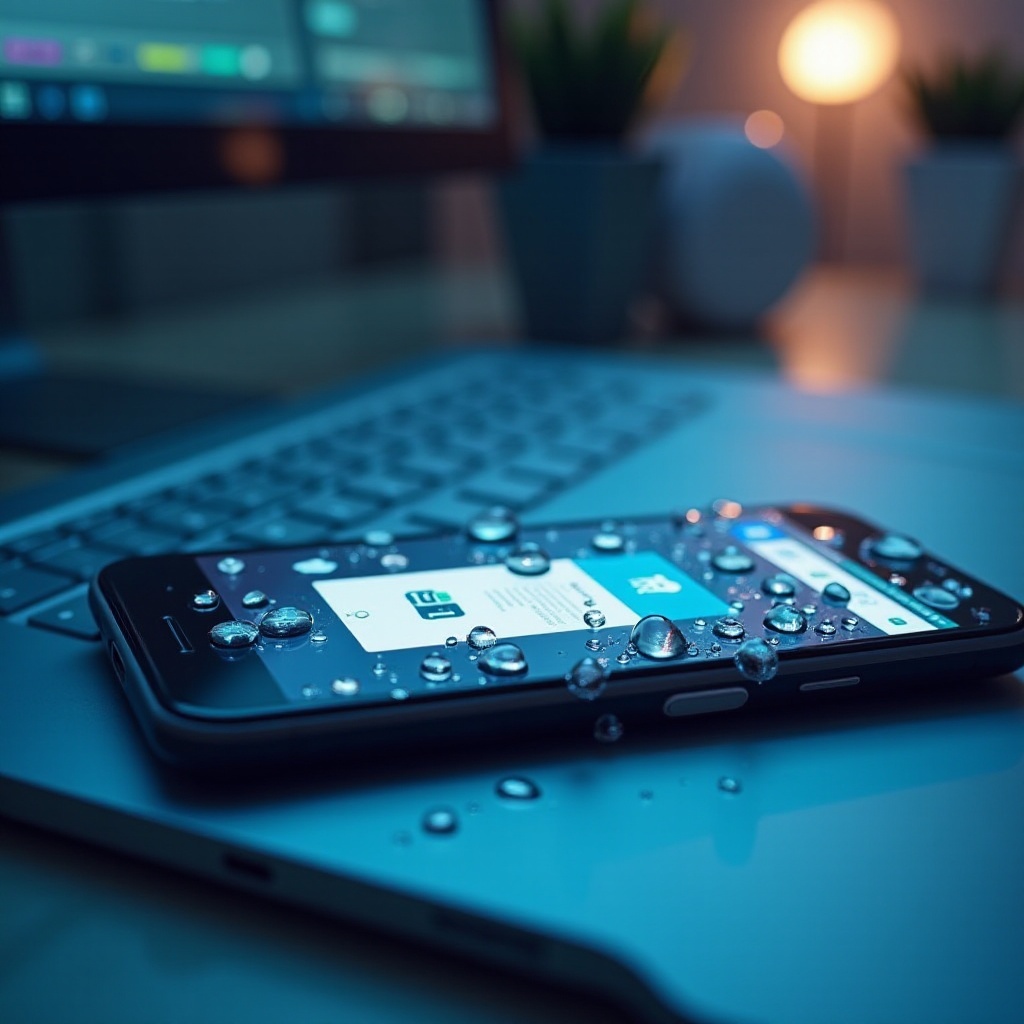
When a phone encounters water, it’s critical to act quickly. Here’s how you can minimize potential damage and begin the recovery process effectively:
- Power Off Your Phone: Upon retrieving your phone from water, immediately turn it off. This step helps prevent potential short circuits resulting from moisture exposure.
- Remove SIM and Memory Cards: Take out the SIM card and any memory cards. These components are often resilient to water damage and might contain essential data backups.
Drying Techniques for Water Damaged Phones
After safeguarding your device’s electronic components, the next crucial step is thorough drying. Here are your best options:
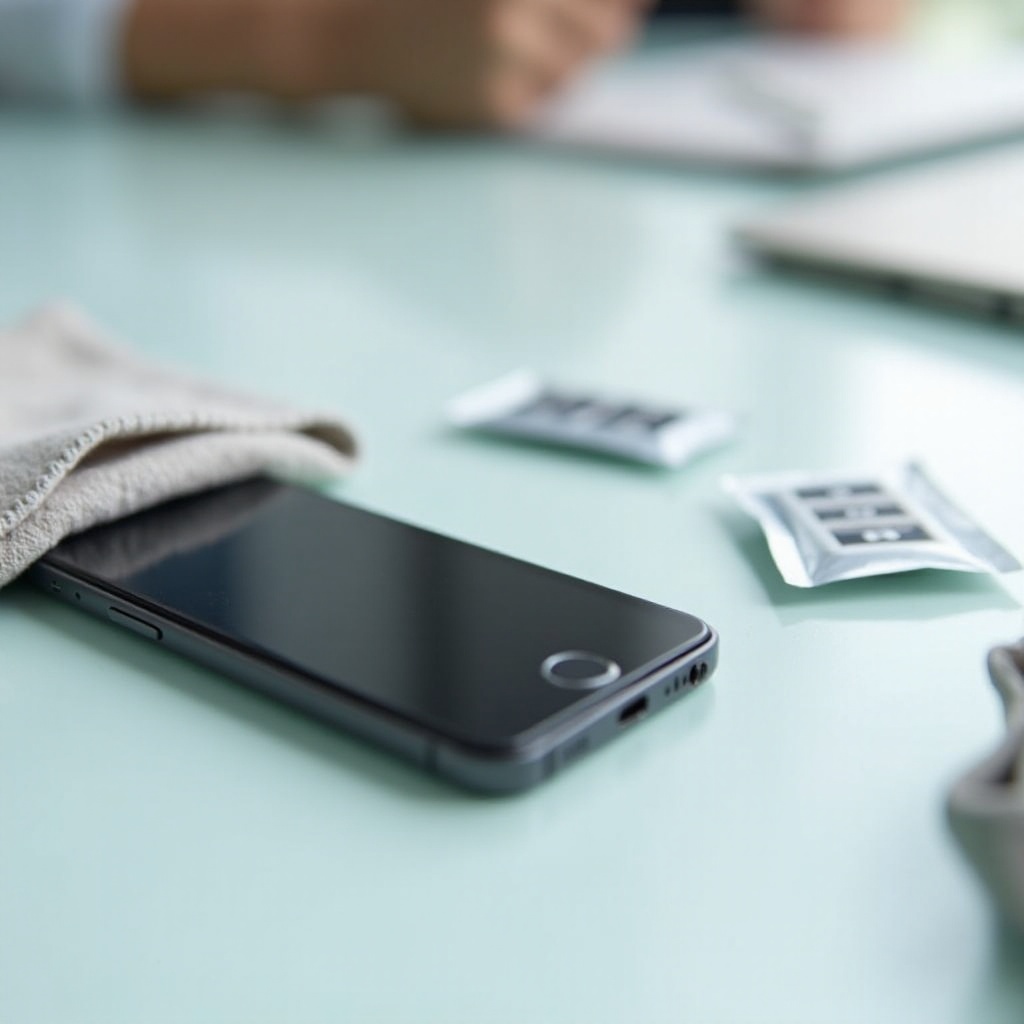
- Air Dry Method: Place your phone on a dry, absorbent towel in a warm area. Allowing it to air dry naturally is often effective, though patience is required, as moisture can linger inside the device.
- Using Silica Gel or Rice: Bury the phone in a bowl of uncooked rice or silica gel packets. These materials are excellent at drawing out moisture, and the device should be left to sit for at least 24-48 hours.
Following these drying methods, a thorough assessment of your device’s condition is essential before attempting any further steps.
Assessing the Damage
Post-drying, it’s time to evaluate the overall state of your phone. Inspect for visible water presence or corrosion around connectors and ports. If moisture remains, extend the drying period. Once confident that your device is dry, power it on cautiously. Ensure that basic functions like touch response and audio output remain intact before moving on to data recovery.
Data Recovery Options
If your phone powers up, there’s hope for retrieving your data. Here’s how to proceed:
- Using Cloud Backups: Automatic data backups to cloud services like Google Drive, iCloud, or OneDrive can significantly ease recovery. Log in to your account from another device and download essential files.
- Connecting to a Computer: Use a USB cable to connect your phone to a computer. This step can enable data transfers if hardware functionality remains intact.
Data Recovery Software Solutions
When conventional recovery methods fall short, dedicated software tools offer a lifeline:
- Recommended Software Tools: Programs like Dr.Fone, EaseUS MobiSaver, and Disk Drill excel at extracting data from damaged phones.
- Steps to Use Data Recovery Software: Install your chosen software on your computer. Connect your phone and follow the tool’s guided instructions to find and retrieve essential files.
While software solutions often yield significant results, professional intervention remains an option should challenges persist.
Professional Repair and Recovery Services
Turning to experts can ensure the recovery of critical data if all else fails:
- Selecting a Reliable Service: Research and choose services with positive reviews and verified expertise in handling water damage and data recovery. Verify that they adhere to strict privacy standards.
- When to Seek Professional Help: Professional assistance is recommended when a device remains non-functional despite drying, or when initial software attempts don’t yield results. These services employ specialized equipment that maximizes recovery chances.
Having navigated the immediate crisis, it’s wise to adopt preventative measures moving forward.
Preventive Measures for Future Incidents
Shielding your device from future water damage is the best course of action. Consider these steps:
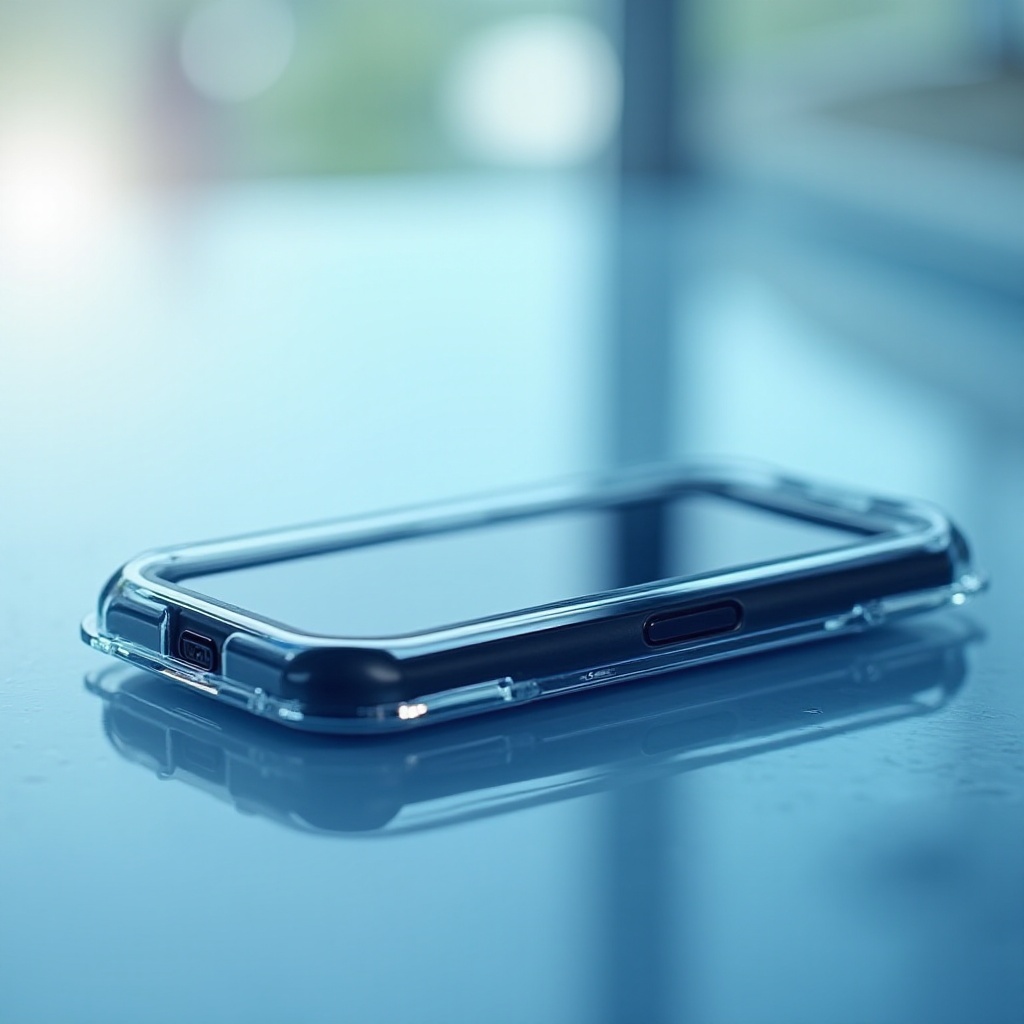
- Using Waterproof Cases: Invest in high-quality waterproof cases to guard your phone against unforeseen water exposure.
- Regular Data Backups: Schedule frequent data backups to cloud services or external storage solutions. These practices ensure data remains intact, irrespective of device conditions.
Conclusion
Facing a water damaged phone can be daunting, but recovery is achievable with the right guidance and tools at hand. By acting promptly, employing effective methods, and heeding preventive advice, you can minimize the risk of losing valuable data.
Frequently Asked Questions
What should I avoid doing when my phone gets water damaged?
Avoid using a hairdryer or exposing the phone to excessive heat, as this can damage its internal components.
How effective is rice for drying a wet phone?
Rice is a commonly used desiccant, but silica gel is more effective at moisture absorption.
How can I ensure data safety for future incidents?
Regularly back up data to cloud services and invest in a durable, waterproof case.